DigitISATION CENTRE
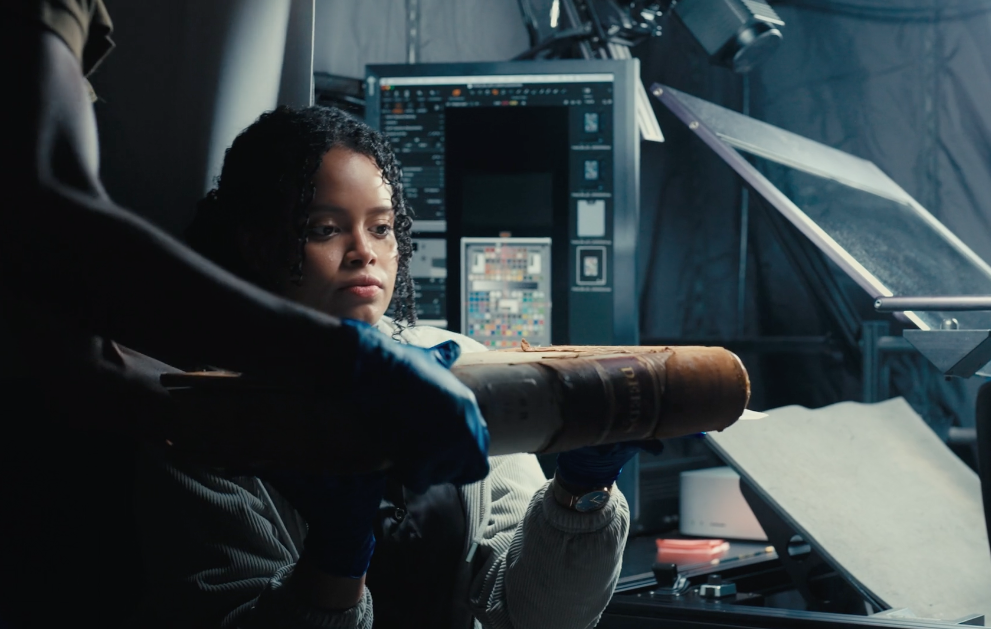
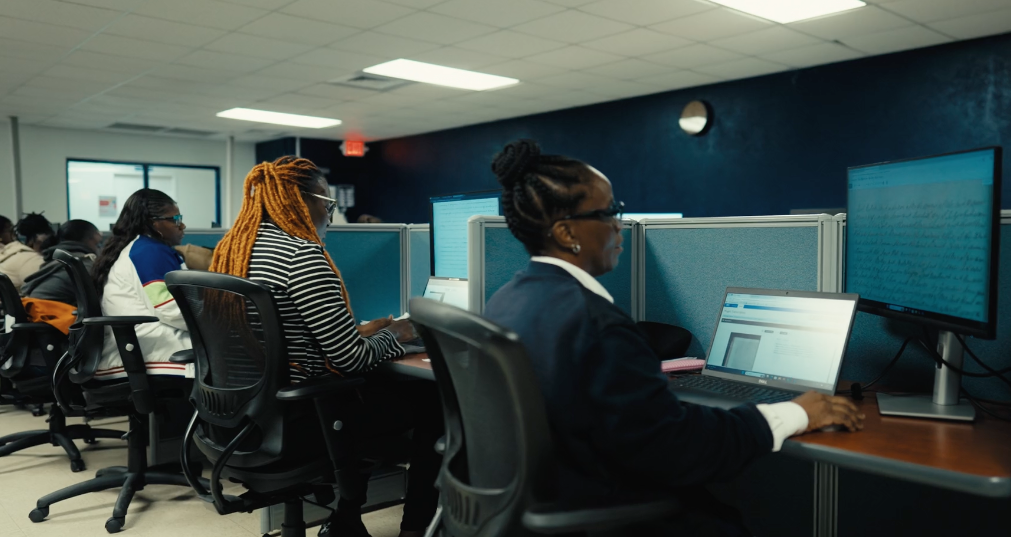
The Digitisation Centre is currently home to over 100 local technicians trained in the scanning, metadata extraction, transcription, and interpolation of tens of millions of pages of records documenting the development of Trans-Atlantic enslaved societies. Located in Building #2 of the Harbour Industrial Park in downtown Bridgetown, it is of service to the facilities in the Heritage District. These records date back to the first landing of English ships in the early 17th century, and are being made available in electronic form to recount the harrowing history of the enslavement of Africans over the course of three centuries. The digitization project is ensuring state-of-the-art standards in image capture, data integrity, and public access.
The core objective of the R.O.A.D. Programme’s digitization initiative is to preserve and make accessible a comprehensive collection of records related to the development of enslaved societies. This involves:
Digitization of Records: The project entails digitizing millions of pages from archives in Barbados and abroad. These records document the movement, sale, and life events of enslaved individuals, as well as their resistance, survival, and eventual emancipation.
Digital Access: Digital reproductions of the archives are being stored on a digital platform providing greater access for researchers, educators, and descendant communities to search and explore the records.
Storytelling and Narrative Reconstruction: Through partnerships with scholars, artists, and community leaders, the project is recounting the personal stories of enslaved people and their descendants, bringing humanity to the statistics and lists often found in the records.
Educational Resources: The digitized collection serves as the foundation for educational initiatives aimed at teaching students about the history of slavery and its long-term impacts on contemporary society.
The opportunity to provide greater access to the records is a case study in how a motivated, nimble, well-funded developing nation can leapfrog “gold standard” legacy cultural heritage institutions.
The District will extend its reach internationally, providing opportunities for collaboration with other nations with similar cultural preservation needs, potentially even “upstream” to Commonwealth cultural heritage institutions that have been hobbled by underfunding and legacy technologies.
There are four phases of the Archival Digitization project:
Preservation
Scanning, Transcription, Metadata Extraction, Interpolation, and ML Automation
Accessibility
Advocacy
Our digital ecosystem comprises a complex network of (primarily open source) tools that enable us to produce world-class digital cultural heritage in a manner customized to Barbados’ priorities, enabling the nation to narrate its own past, present, and future.
In Operation